
How Long Does Physical Therapy Take to Work for Common Injuries?
Being sidelined by an injury is frustrating, especially when you are in the middle of a training cycle or simply trying to stay active in Beaverton, OR. Whether you are a competitive athlete or a dedicated weekend warrior, the first question is almost always the same: how long until I can get back to what I love?
True recovery is a biological process that cannot be rushed, but it absolutely can be optimized. At Headquarters Physical Therapy, we understand that every day away from your sport feels like a setback. Our approach is built to respect the body's natural healing timeline while using objective data and hands-on expertise to move you forward as efficiently as possible.
Understanding the Biological Timeline of Healing
To set realistic expectations, it helps to understand how different tissues heal. Blood supply and cellular complexity vary significantly across the body, which means recovery timelines are not one-size-fits-all.
Muscle Injuries
Muscles benefit from a strong blood supply, which generally supports faster recovery. The initial inflammatory phase typically lasts around 72 hours, followed by a repair phase where new fibers and collagen are deposited. Most minor to moderate muscle strains require roughly 4 to 8 weeks of focused sports physical therapy to achieve full return-to-sport readiness.
Tendon Injuries
Tendons, such as the Achilles or patellar tendon, have a much lower blood supply than muscles. Rather than healing in the traditional sense, they must be remodeled through specific loading strategies over time. Because collagen synthesis is a slow process, Achilles tendinopathy and similar conditions often require 6 to 12 weeks or more of structured rehabilitation.
Ligament Injuries
Ligaments provide joint stability and respond to injury across a wide spectrum. A mild Grade I ankle sprain might resolve in 2 to 4 weeks, while a more significant Grade II tear could take up to 3 months. Severe Grade III tears often require surgical intervention followed by a longer post-surgery rehabilitation process.
Factors That Influence Your Recovery Speed
Biology sets the baseline, but several variables can either accelerate or stall your progress. Understanding these factors gives you more control over your outcome.
Sleep quality: Sleep is one of the most powerful recovery tools available. Growth hormone release and tissue repair occur primarily during deep sleep cycles.
Nutrition: Rebuilding tissue requires the right raw materials. Adequate protein supports repair, while micronutrients play a key role in collagen synthesis and overall recovery.
Consistency: Adherence to your prescribed home exercise program is essential. Patients who follow their plan between sessions consistently progress faster than those who only perform exercises during clinic visits.
Age and overall health: Younger bodies often regenerate cells more quickly, but a well-conditioned, health-conscious individual at any age can recover more efficiently than a sedentary one.
How Performance Physical Therapy Accelerates Your Results
At Headquarters Physical Therapy, we replace guesswork with objective data. This distinction matters when your goal is not just pain relief but a full return to sport or return to running.
We use tools like force plate testing and isokinetic dynamometer testing to measure exactly how much force you are producing and where asymmetries exist. If your left leg is significantly weaker than your right following a knee injury or ACL rehabilitation, we do not rely on subjective feel to determine readiness. We use measurable benchmarks to know precisely when you are prepared for high-impact activity.
Functional movement assessments and running gait analysis add another layer of precision, allowing us to identify movement patterns that may be contributing to your injury or slowing your recovery. Every treatment decision is informed by what the data shows, not assumptions.
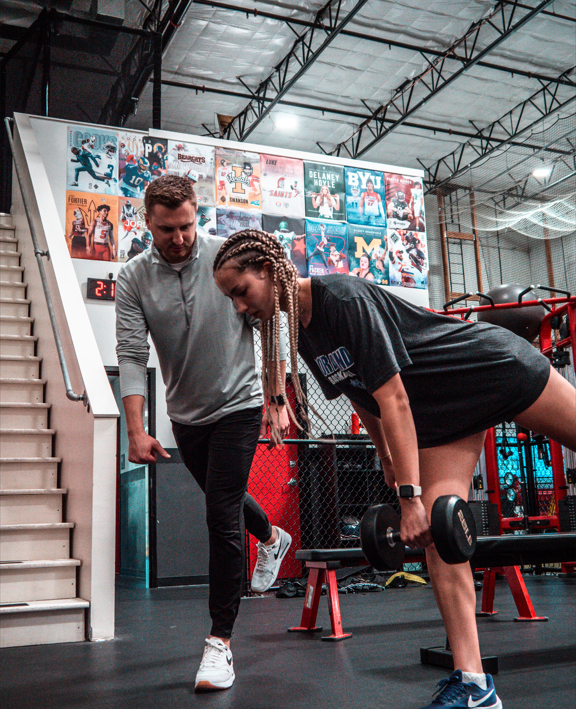
Every session is a dedicated, one-on-one experience with a Doctor of Physical Therapy. This focused time allows for real-time adjustments to your treatment, ensuring that every minute in the clinic is moving you closer to your goal.
What to Expect During Your Recovery Journey
Recovery at Headquarters Physical Therapy follows a structured, phase-based progression designed to build on each stage before advancing to the next.
Phase 1: Pain Management and Protection
The initial focus is on reducing inflammation and restoring basic comfort. Manual therapy, soft tissue mobilization, and electrical stimulation are commonly used during this phase to calm irritated tissue and prepare the body for movement.
Phase 2: Restoring Mobility and Foundational Strength
Once acute symptoms are managed, the focus shifts to joint mobilization, myofascial release, and isolated muscle activation. This phase lays the groundwork for tolerating heavier loads safely.
Phase 3: Building Strength, Power, and Endurance
Training intensity increases during this phase. Therapeutic exercise, blood flow restriction training, and plyometric progressions are used to build a resilient, high-performing body capable of handling sport-specific demands.
Phase 4: Return to Performance
The final phase bridges rehabilitation and full activity. Sport-specific drills, return-to-sport testing, and objective reassessment confirm that you are not just recovered, but prepared to perform at your previous level or beyond.
Common Injuries and General Recovery Timelines
While every case is unique, the following ranges reflect typical recovery windows when rehabilitation is consistent and well-structured.
Hamstring strain: 4 to 8 weeks depending on severity
IT band syndrome: 6 to 10 weeks with targeted loading and movement correction
Runner's knee (patellofemoral pain): 6 to 12 weeks with progressive strengthening
Rotator cuff injury: 8 to 16 weeks depending on the extent of involvement
Plantar fasciitis: 6 to 12 weeks with consistent loading and manual therapy
ACL rehabilitation: 9 to 12 months with structured return-to-sport progressions
These timelines assume active participation in a structured orthopedic physical therapy or performance physical therapy program. Gaps in care or skipping prescribed exercises can extend recovery significantly.
Taking Control of Your Recovery
Understanding your timeline is the first step toward a smarter, more intentional recovery. Whether you are managing a low back pain flare, working through a shoulder impingement, or rebuilding after an ankle sprain, the path forward is clearer when it is grounded in objective data and guided by experienced hands.
At Headquarters Physical Therapy in Beaverton, OR, our goal is to help you recover efficiently and return to the activities that matter most to you. Contact us today to schedule your initial assessment and take the first step toward peak performance.